

Residential Ownership & Governance Framework
The Sowers Garden’s proposed residential cooperative framework is designed to preserve the long-term stewardship of the homestead while creating opportunities for residents to establish stable housing and participate in a shared community.
The proposed planned community land trust structure separates charitable land ownership from residential cooperative ownership, allowing The Sowers Garden Ministry to retain stewardship of the underlying property while providing eligible residents with opportunities for residential membership and financial participation. The Sowers Garden is subject to legal formation and property aquisition.
The Sowers Garden Ministry — the charitable organization and its mission.
The Homestead — the land, agricultural operations, educational facilities, and shared community spaces.
The Housing Cooperative — the proposed residential ownership model that allows residents to invest in their homes while preserving nonprofit ownership of the underlying land.
Zone 1 - Residential Homestead
Private small homes for approved long-term residents, staff and families
-
Private residential homesites with defined access rights
-
Designed resident parking
-
Personal outdoor space
Zone 2 - Missionary & Volunteer Village
A separate area for short-term and extended-stay guests
-
Missionary housing
-
Volunteer cabins
-
Guest rooms
-
Shared amenities
Zone 3 - Shared Agricultural Land
Shared agricultural land managed under stewardship agreements
-
Community Garden
-
Greenhouse
-
Livestock and pasture
-
Farm-to-table
Zone 4 - Community Center & Gathering Spaces
Central hub of the property
-
Dinning hall and communal kitchen
-
Barn and event venue
-
Homeschool spaces
-
Meeting rooms
-
Podcasting/media room
Zone 5 - Recreation & Common Land
Areas open to approved residents, volunteers and guests
-
Walking trails
-
Fire pit
-
Picnic areas
-
Playground
-
Outdoor recreation
-
Garden
Zone 6 - Conservation & Future Development
Land reserved for long-term growth and environmental stewardship
-
Woodlands
-
Wetlands and ponds
-
Wildlife area
-
Potential future development areas, subject to approvals
-
Additional farmland
-
Land reserved for future programs
Legal Structure
Financial/Ownership Principle:
The Sowers Garden Ministry retains ownership of the underlying land through its nonprofit community land trust structure. The Resident-Owned Housing Cooperative holds a long-term ground lease over designated residential areas and owns or holds the legally established ownership interest in the residential buildings.
Eligible residents contribute personal capital toward cooperative membership and residential occupancy rights. Monthly housing charges support mortgage obligations, property maintenance, insurance, utilities, and shared operating expenses.
Member capital, equity limitations, and redemption or transfer provisions are governed by the cooperative’s articles, bylaws, ground lease, and membership agreement. Upon departure, eligible member capital may be redeemed or transferred according to the established equity formula, applicable law, and the cooperative’s financial capacity.
The nonprofit retains stewardship of the underlying land and designated shared homestead property.
The Board Will:
- Approve the annual budget
- Approve housing policies
- Review compensation and related-party transactions
- Approve property purchases and leases
- Monitor charitable use of the property
- Have authority to remove or replace executive leadership

Missionary Cottages
Purpose: Temporary hospitality for missionaries and ministry workers
Legal Arrangement: Missionary hospitality agreement, not ownership or permanent residency
Eligibility
-
Currently serving in missionary or charitable work
-
Verified ministry or sending organization
-
Documented purpose and duration of stay
-
Agreement to ministry's hospitality policies

Volunteer Housing
Purpose: Temporary accommodations for people participating in approved service projects
Legal Arrangement: Volunteer accommodation agreement with defined dates and expectations
Eligibility
-
Approved volunteer
-
Registered service project
-
Defined volunteer schedule
-
Temporary stay connected to the project
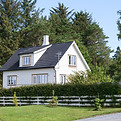
Founders' Residence
Purpose: Residence for founders who have established leadership, administrative or operational responsibilities and mission of The Sowers Garden.
(RESIDENT-OWNED HOUSING COOPERATIVE)
Legal Arrangement: Cooperative membership agreement providing eligible founders with residential membership shares, occupancy rights and participation in cooperative governance. Capital contributions, equity limitations, and share redemption are governed by the cooperative's bylaws and membership agreement.
Financial/Ownership Principle: Eligible founders contribute personal capital toward cooperative membership and residential occupancy rights. Member capital, monthly housing charges, equity provisions, and share redemption are governed by cooperative's bylaws and membership agreement. Eligible capital may be redeemed or transferred upon departure according to established provisions.
Eligibility
-
Founders who have met established cooperative membership requirements
-
Individuals with legitimate organizational responsibilities, where applicable
-
Acceptance of the same financial, governance, and stewardship obligations applicable to other cooperative members
-
Independent review and approval of any transaction involving founders or other organizational insiders

Staff Housing
Purpose: Housing for employees whose work supports the homestead and ministry
Legal Arrangement: Employment agreement plus a separate housing agreement
Eligibility
-
Actual employment
-
Legitimate operational need
-
Written compensation and housing terms
-
Independently established fair compensation

Educational Residency
Purpose: Residential learning experiences connected to legitimate educational programming
Legal Arrangement: Educational program enrollment and residency agreement
Programs
-
Homeschooling Apprenticship
-
Biblical Discipleship Residency
-
Practical Homesteading
-
Homemaking Life Skills
-
Trade Life Skills
-
Entreprenuership
-
Cooking/Baking
-
Missionary Preparation and Training
-
Intro to Cut Flower Farming

Family Residence
Purpose: Provide opportunities for individuals and families seeking a stable, supportive and community-oriented living environment. Family residences encourage long-term stability, shared responsibility, meaningful community participation, and opportunities for families to grow through education, stewardship and fellowship.
(RESIDENT-OWNED HOUSING COOPERATIVE)
Legal Arrangement: Cooperative membership agreement granting eligible individuals and families residential membership shares, occupancy rights, and participation in cooperative governance. Members contribute toward residential ownership through established capital contributions and share in responsibilities and financial obligations of the cooperative.
Financial/Ownership Principle: Eligible families contribute personal capital toward cooperative membership and residential occupancy rights. Monthly housing charges support shared property expenses and operations. Member capital and any permitted equity or dividend arrangements are governed by the cooperative's bylaws, with redemption or transfer handled according to established provisions.
Eligibility
-
Families who meet the cooperative's established membership and occupancy requirements
-
Acceptance of the cooperative's limited-equity and residential affordability policies
-
Individuals/Families seeking long-term residential membership
-
Acceptance of the cooperative's mission, community guidelines, and shared responsibilities
-
Required initial membership capital contribution or approved financing arrangement
-
Agreement to monthly housing charges and shred property expenses
-
Commitment to responsible property stewardship and community participation
-
Acceptance of cooperative governance, voting rights, and membership obligations
-
Compliance with established equity, accumulation, transfer and share redemption provisions
The nonprofit would:
-
Purchase or receive donated property
-
Own buildings, land, equipment and facilities
-
Employ staff and hire contractors
-
Operate the educational and agricultural programs
-
Provide approved housing and hospitality
-
Receive donations, grants, membership fees and program revenue
-
Establish policies for residents, volunteers, missionaries and visitors
People who want to:
-
Live on the property
-
Have their own homes or cottages
-
Participate in the ministry
-
Manage their own programs
-
Work and earn an income
-
Share common land and resources
-
Host missionaries and volunteers
People who want to:
-
Live on the property
-
Have their own homes or cottages
-
Participate in the ministry
-
Manage their own programs
-
Work and earn an income
-
Share common land and resources
-
Host missionaries and volunteers
Residential Ownership & Governance Framework
Land Ownership & Stewardship
Nonprofit Community Land Ownership
The Sowers Garden Ministry retains ownership of the underlying charitable land and designated shared property, including agricultural areas, gardens, educational facilities, and community spaces.
The nonprofit is responsible for protecting the property’s charitable purpose, long-term stewardship, and appropriate use.
Residential Cooperative Ownership
Resident-Owned Leasehold Housing Cooperative
A separately established housing cooperative holds a long-term ground lease over designated residential areas of the property.
The cooperative owns or holds the legally established ownership interest in residential buildings and administers residential membership, occupancy rights, cooperative governance, and financial responsibilities.
Resident Capital & Equity
Residents contribute personal capital toward cooperative membership and residential occupancy rights. These contributions establish a financial membership interest in the housing cooperative, subject to its governing documents.
The cooperative will establish written provisions addressing member equity, monthly housing charges, reserves, transfers, and redemption of eligible capital upon departure.
The amount and timing of any redemption will be determined by the cooperative’s established equity formula, applicable law, available reserves, and financial capacity. Member contributions do not create direct ownership of the nonprofit’s underlying land or charitable assets.
Resident Membership & Financial Participation
Eligible residents contribute personal capital toward cooperative membership and receive residential occupancy rights and participation in cooperative governance.
Member capital, equity limitations, monthly housing charges, and share redemption are established through the cooperative’s governing documents.
Eligible members may recover their redeemable capital upon departure according to established provisions, applicable law, and the cooperative’s financial capacity.
Shared Property & Community Stewardship
The nonprofit retains stewardship of designated common areas and ministry facilities. Residents participate in responsible property care, community activities, and shared responsibilities according to established agreements and policies.
Governance & Organizational Safeguards
-
The nonprofit and housing cooperative operate as separate legal entities with distinct governance and financial responsibilities.
-
Residential arrangements are documented through written agreements.
-
Founder participation does not automatically grant ownership rights, financial benefits, or preferential housing treatment.
-
Family housing eligibility is determined through established and consistently applied membership and residency criteria.
-
Cooperative membership, capital contributions, and redemption rights are governed by written bylaws and agreements.
-
Financial transactions between the nonprofit and cooperative are independently reviewed and appropriately documented.
This framework describes a proposed organizational and residential structure. Implementation is subject to legal formation, property acquisition, applicable approvals, and professionally prepared agreements.
Financial Ownership Principle
The Sowers Garden Ministry retains ownership of the underlying land through its nonprofit community land trust structure. The Resident-Owned Housing Cooperative holds a long-term ground lease over designated residential areas and owns or holds the legally established ownership interest in the residential buildings.
Eligible residents contribute personal capital toward cooperative membership and residential occupancy rights. Monthly housing charges support mortgage obligations, property maintenance, insurance, utilities, and shared operating expenses.
Member capital, equity limitations, and redemption or transfer provisions are governed by the cooperative’s articles, bylaws, ground lease, and membership agreement. Upon departure, eligible member capital may be redeemed or transferred according to the established equity formula, applicable law, and the cooperative’s financial capacity.
The nonprofit retains stewardship of the underlying land and designated shared homestead property.